

WELCOME TO THE
Library
Pull something off the shelf. I write most weeks about the parts of an event nobody sees.
New on the shelf
everything on the shelf
The event day briefing your team actually needs
The document your team reads over coffee the morning of decides how much of the day comes back to you. This post covers what has to be in it so that nobody needs to find you between sessions.

What belongs in your event planning spreadsheet
Everything you're currently tracking across six documents and a notes app could live in one place. This post covers what belongs in that document, how it's organized, and what it feels like to open one thing instead of six.
How to plan a conference when the event gets bigger
What worked beautifully for thirty people doesn't quietly scale to three hundred, and the places it breaks aren't obvious in advance. This post covers what changes as the number grows and what to build before you need it.
The event planning checklist for your last two weeks
The final fourteen days generate a lot of activity and not all of it is useful. This checklist is built around what genuinely needs confirming in that window, rather than what feels most urgent at 10pm.
Hidden event costs: the categories every template leaves out
The costs that ruin an event budget are almost never the big obvious ones. They're service charges, early load-in fees, and the categories no template thinks to list. This post covers where they hide and what to ask before you sign.

What your event stress is actually pointing at
She registers, gets a confirmation, and then hears nothing for six weeks. Whatever excitement she had gets a chance to cool all the way down. This post covers what should be reaching her in that stretch and how to set it up once.
What happens after someone registers for your event
She registers, gets a confirmation, and then hears nothing for six weeks. Whatever excitement she had gets a chance to cool all the way down. This post covers what should be reaching her in that stretch and how to set it up once.
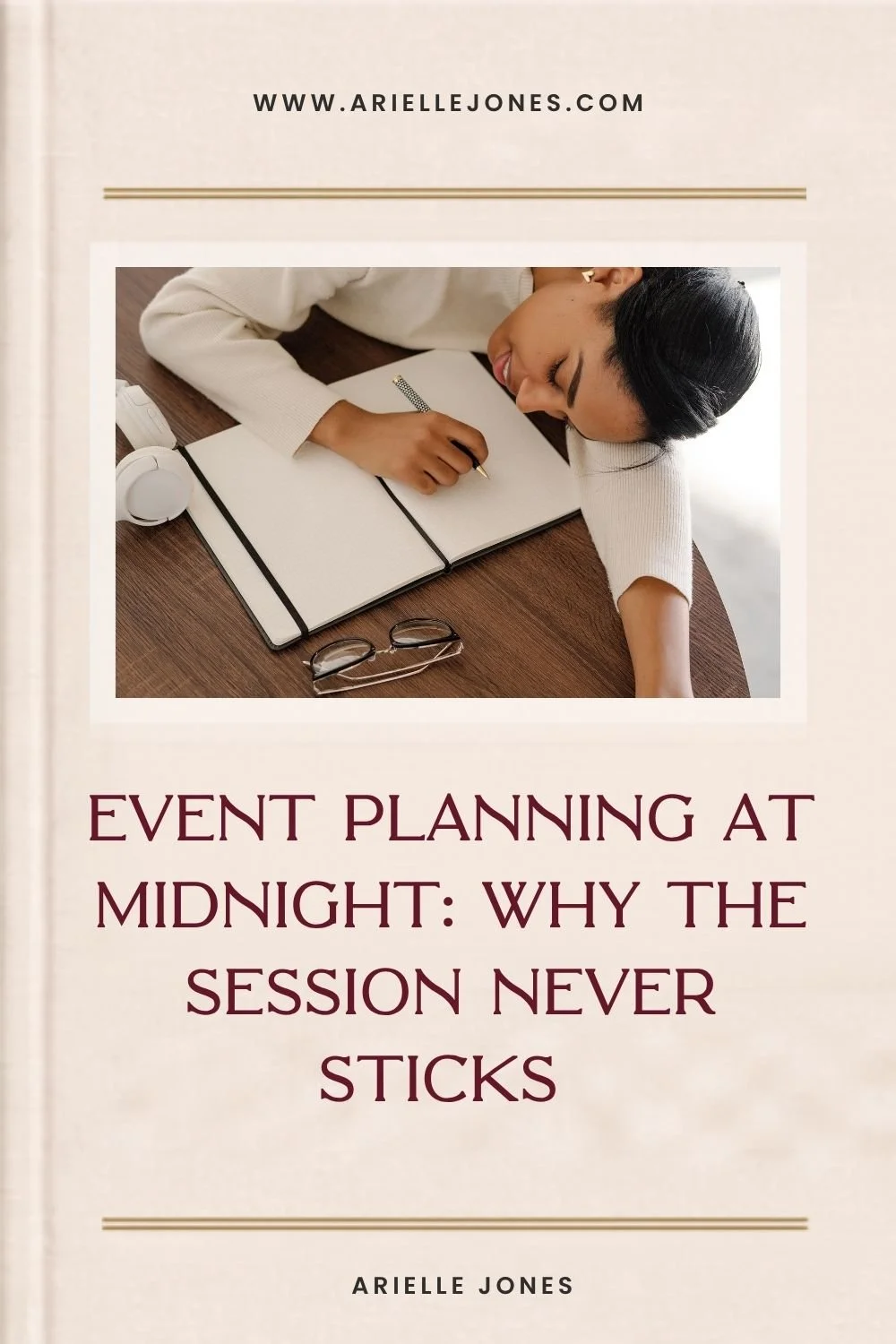
Event planning at midnight: why the session never sticks
Late-night planning sessions feel productive and almost never survive the morning. You reopen the doc and none of it has moved. This post covers why that work doesn't stick and what does, at a more reasonable hour.
How to plan an event from scratch: decide these five first
Starting from nothing is mostly a question of order, and the wrong order is what makes it feel impossible. This post covers five decisions that make every decision after them significantly easier, and what to do with each one.
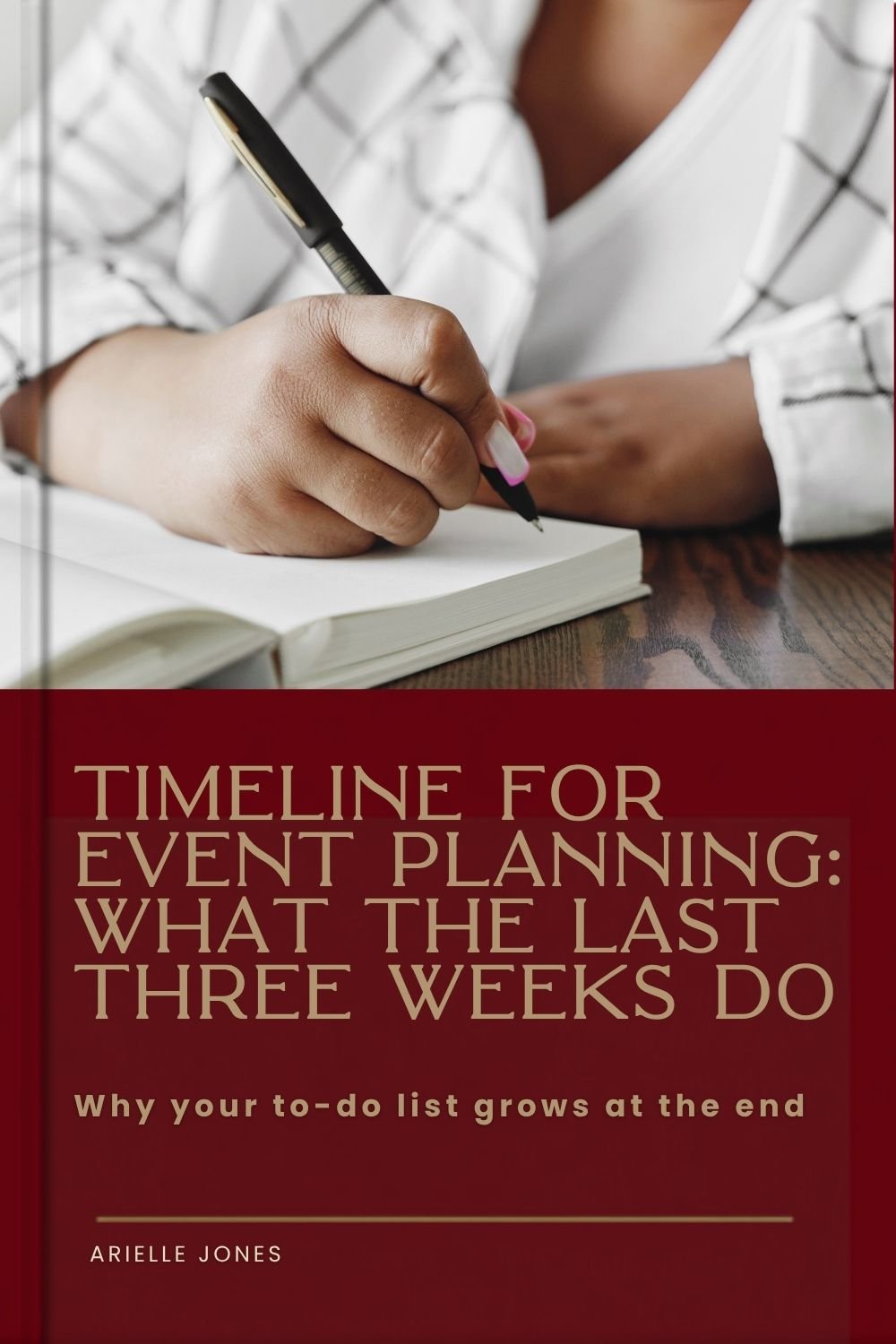
Timeline for event planning: what the last three weeks do
The last three weeks before an event aren't more of the same work at a faster pace. They're a different job with a different shape, and knowing that changes what you prepare. This post covers what those weeks are actually for.

Why relief after your event is a signal worth listening to
The event went well, guests were glowing, and what you felt afterward was relief rather than satisfaction. That reaction is worth paying attention to. This post covers what it points to and what tends to be true when it shows up.

Where your speaker information lives changes everything
Bios in one folder, travel details in an email thread, slides in a shared drive nobody can find. This post covers what changes when speaker information lives in one place, both for you and for the speakers themselves.

The registration anxiety nobody admits to
Scrolling back through email threads to work out who sent their bio and who still owes you slides is not tracking, though it feels close enough until it isn't. This post covers what to use instead and how little it takes to set up.

Why your inbox can't tell you where your speakers stand
Scrolling back through email threads to work out who sent their bio and who still owes you slides is not tracking, though it feels close enough until it isn't. This post covers what to use instead and how little it takes to set up.
The vendor questions no one preps you for
Vendors ask questions that assume you've already decided things you haven't thought about yet, and answering on the spot is how you end up committed to something. This post covers what they'll ask and what to have ready.

What actually begins the moment a speaker says yes
Inviting speakers before you've settled a few things means renegotiating with them later, which is a conversation nobody enjoys. This post covers what to decide before the first ask goes out, so the yes you get is the yes you wanted.

What to capture within 48 hours of your event before the details disappear
Inviting speakers before you've settled a few things means renegotiating with them later, which is a conversation nobody enjoys. This post covers what to decide before the first ask goes out, so the yes you get is the yes you wanted.

The decisions to make before you invite a single event speaker
Inviting speakers before you've settled a few things means renegotiating with them later, which is a conversation nobody enjoys. This post covers what to decide before the first ask goes out, so the yes you get is the yes you wanted.

What actually happens between "the venue is booked" and event day
Impressive names, strong bios, and a room that somehow never quite lifts. It happens more than anyone admits and it isn't about the speakers being wrong. This post covers what determines whether a lineup lands once everyone is in the room.

What event day feels like when your team has the full picture
Your team can only run the day without you if the document in front of them answers what they'll actually need. This post covers what has to be in it, what usually gets left out, and how it changes event day.
Two or three venue proposals arrive, each formatted differently, each leading with a number that isn't the number you'll pay. This post covers how to convert them into one comparison sheet, which clauses cost money later, what surprises people on the final bill, and what's genuinely negotiable.